When it comes to misting systems, one of the most important things is to
choose the right misting pump. Without it, you just have a line of tubing with
misting nozzles, which won’t do much. If you hook your water supply directly to that tubing, you’ll get thick spouts of water that drench everything in seconds, not an enjoyable mist that cools anything down; however, one thing many new misting system owners get wrong when building their project is picking their misting pump.
It’s not enough to grab any old pump and hook it up. You have to have a pump that meets a few quality measures, and the pump needs to be suitable for your specific
misting system.
To help keep you from buying the wrong misting pump and getting a lackluster or short-lived misting experience, here’s a short guide to what to look for.
1: Pressure
This is the most essential factor to look at and directly correlates to the quality of your overall misting system.
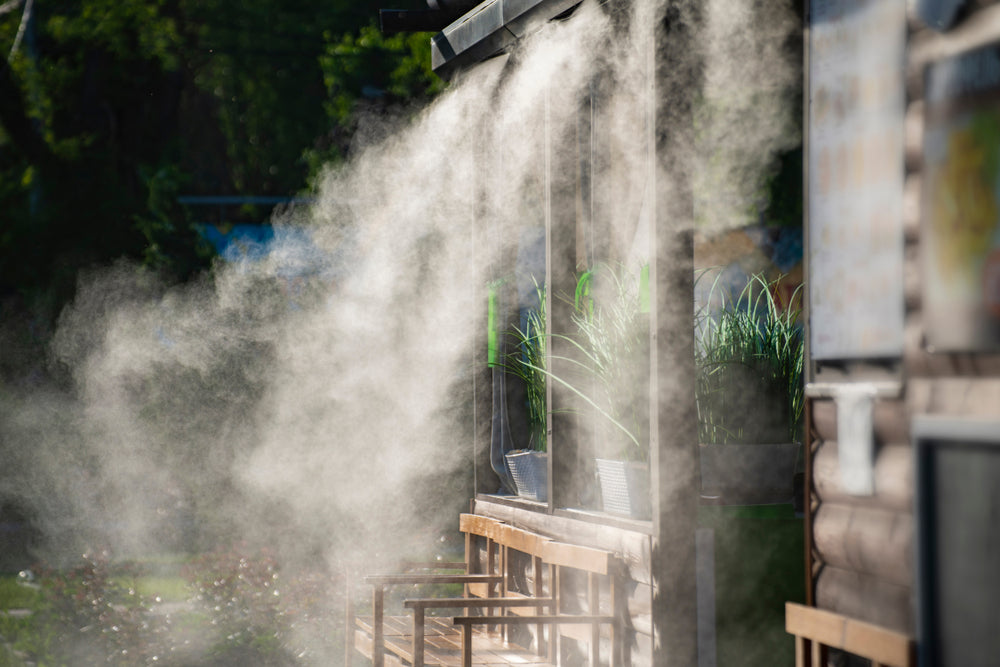
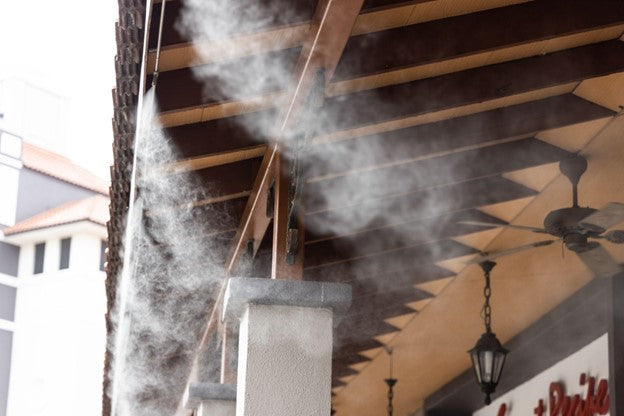
When you’re using a high-quality misting system, it provides a very thin mist that evaporates almost immediately. This is why it cools the air instead of just soaking everything near it. This has everything to do with
pressure of your water as it is pushed out of misting nozzles. When high pressure is used, pressure forces water out so quickly that it separates into incredibly small amounts blasted across a large surface area.
To acheive this, you need a
misting pump that will pressurize the water enough to push it through your entire misting system while creating a fine cooling mist.
This isn’t as easy as buying any pump on the market.
Different pumps are rated for different pressure levels with different water capacity. To get optimal performance from your misting system, you want to make sure you purchase a
1000PSI misting pump with capacity sufficient for the number of nozzles and the full length of your misting system you are planning to install.
That’s around the higher end of the spectrum, and it’s what our company uses to provide an instantly evaporated mist across our entire product line. Some companies go with a
300PSI or lower setup, but that pressure is just too low, and the mist isn’t nearly as fine in those systems.
2: Ease of Use
Once you get the pressure and capacity requirements out of the way, you need to start looking at aspects that will affect your ease of use and the longevity of the product.

Ease of maintenance is what we’d suggest putting high on your priority list.
Misting pumps do require
regular maintenance. You need to be able to change the oil and filters, and inspect some of the semi-internal parts for damage and
leaks at least once or twice per season. If you have a complex pump that seemingly requires a bachelor's degree to open up, inspect, and put back together, you’re going to waste a lot of time on what should be an easy task. Not only that, but you risk messing up the pump during the reassembly phase if the pump is overly complicated.
Look for a pump that allows you to handle all the most common maintenance tasks on your own with minimal disassembly. You’ll only need to
spend 10 to 20 minutes per season performing maintenance, and the system will be so easy to work with that there’s no real possibility of you messing the pump up.
Next, consider how easy it is to operate the pump and if it can be controlled wirelessly. You'd want a pump with easy controls and options to operate it from your phone, without having to leave your comfortable hammock just to operate it. As an added feature, look for
pumps with advanced shceduling features that can run automatically on predefined schedule.
3: Build Quality
A misting pump isn’t overly complicated. It’s the simple tech used to pressurize your water supply, not rocket science. However, your pump does need to be built to
considerably high standards.
It’s a piece of equipment that will run almost non-stop for an entire season, depending on what you’re using it for, and that kind of constant use will put its parts under stress.
If you opt for the cheapest pump available that is little more than thin sheet metal, plastic, and low-quality parts,
you can expect leaks and part degradation to become a problem pretty quickly.
Make sure you purchase your misting pump from a reputable brand known for creating products with considerable lifespans.
4: Support
Of course, no matter how nice the pump you buy is, problems may eventually occur. That’s the case with practically every piece of equipment. Everything may break or need repairs at some point.
However, good misting pumps aren’t cheap, and you won’t want to get a replacement for every minor issue.
So, it’s important to get your misting pump from a company that offers stellar customer support.
By stellar customer support, we mean that the supplier should be able to do everything from giving you basic guide to maintaining your pump and troubleshooting any problems that pop up,
offering repair guidance or services, and of course, knowing when it’s appropriate to suggest a replacement without that being the sole recommendation they make. In short, they should be just as determined to protect your investment as you are, and if anything goes wrong, they should be able to help within reason.
5: Resource Requirements
Finally, you need to look at the resource requirements for any misting pump you look at. Misting pumps will use three main resources. First, there’s obviously the water supply, but this one is easy. Most misting pumps are set up to accept all standard water supply attachments just like hoses. However, if you have a fairly unique or extremely outdated system, you might need a pump that accommodates that.
Then, there are the electricity requirements. Misting pumps don’t take a lot of energy to run if they’re made properly, so your
energy bill should not go up by much if they are made properly.
Finally, there’s oil. This is the least important resource, and you shouldn’t have to constantly replace the oil or buy anything fancier than you would for other small appliances and tools. However, you do need to consider it.
Purchase Your Pump with Your Misting System
Now, you know how to choose the right misting pump for your misting system, but there is a way to avoid having to figure all this out on your own. You can purchase a complete
misting system kit.
At aerMist, we can provide everything you need to build a complete misting system, including the perfect pump for your system.
This is the easiest way to ensure that your pump will match your system and provide plenty of longevity to prevent having to replace it any time soon. Also, doing it this way ensures you can get a replacement pump easily;
call us and let us check the problem.